TPA3116D2x2 High-Power Digital Amplifier Board Stereo Dual-Channel Stage Audio DC12-28V with Bluetooth Receiver DIY Speaker Amplifier Mainboard Accessories
Brief Description
Dual TPA3116D2 chip stereo amplifier board, high-power stage audio solution, DC12-28V wide voltage power supply, onboard Bluetooth receiver, 92×69mm large board design.
Quantity
Product Overview
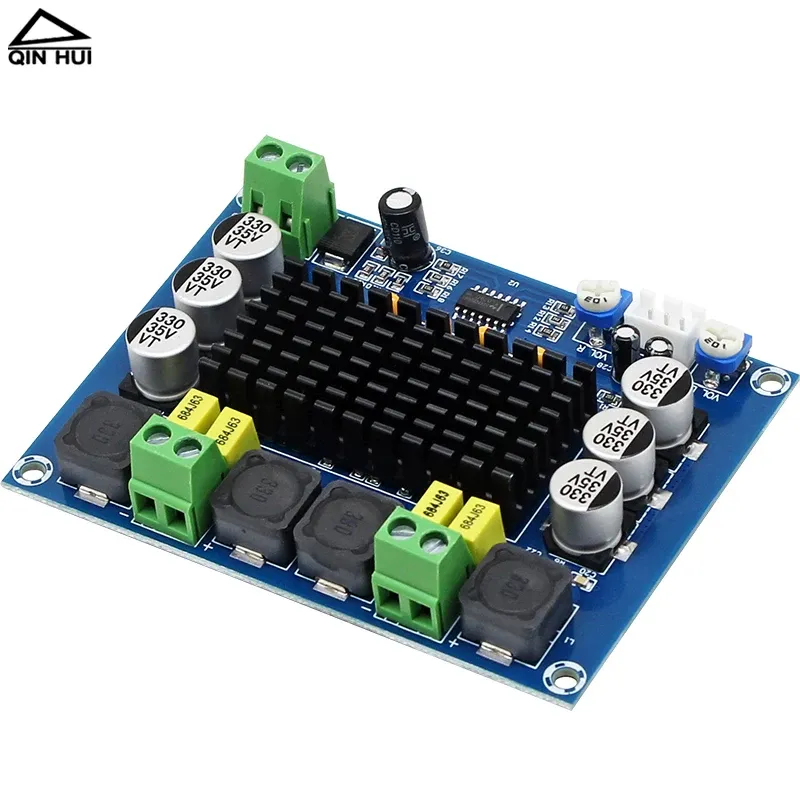
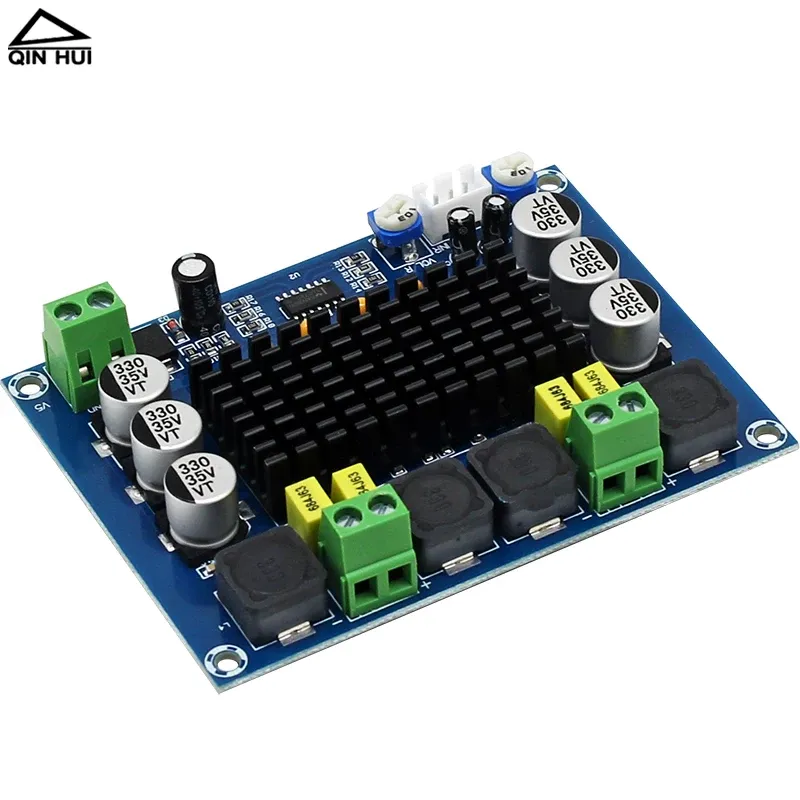
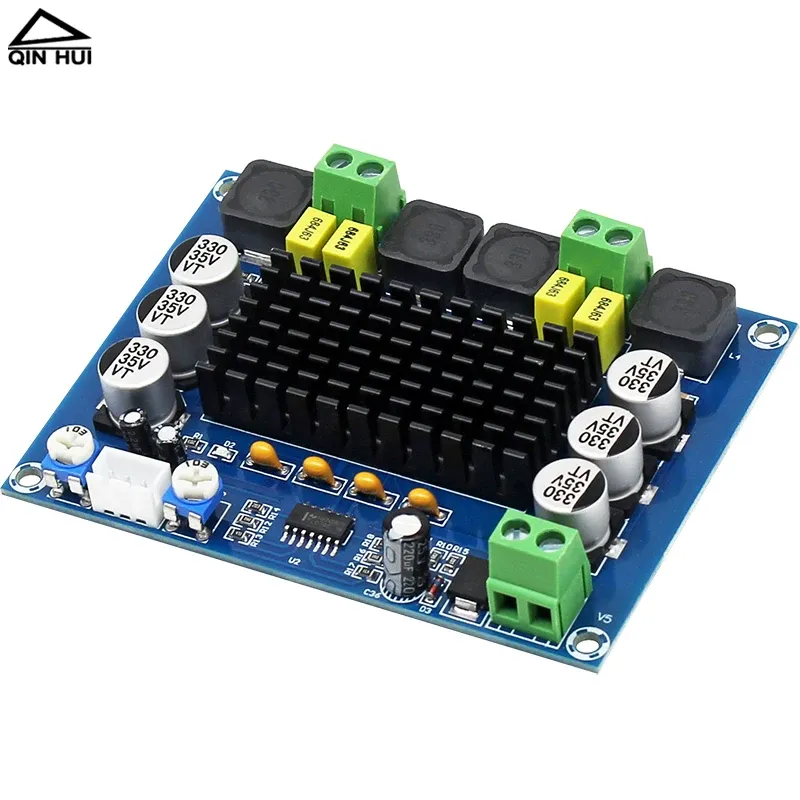
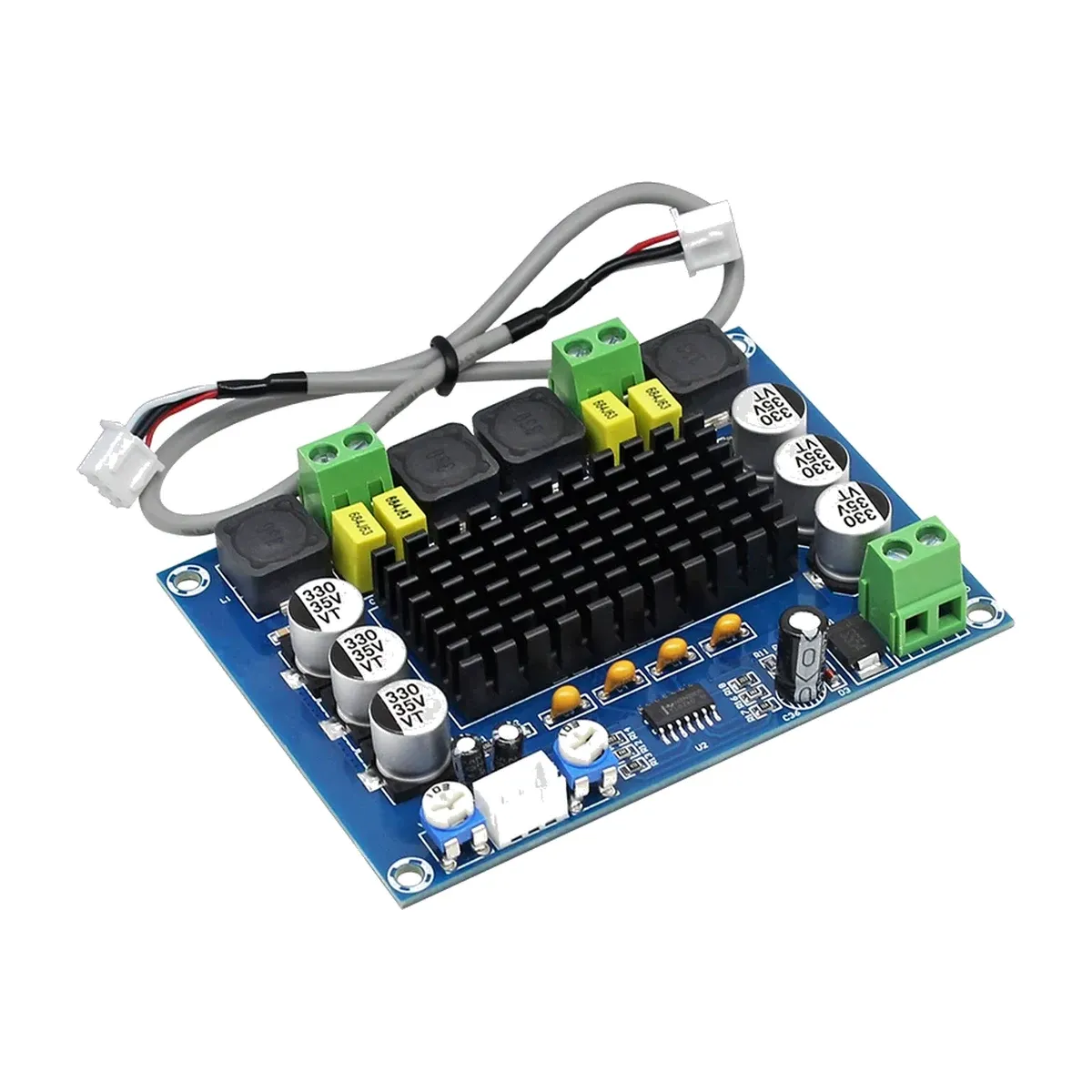
This is a dual-chip TPA3116D2 stereo digital amplifier board. The left and right channels are each independently driven by a TPA3116D2, delivering high-power output for stage audio, home HIFI, and Bluetooth speaker modifications. It features an onboard Bluetooth receiver for wireless streaming, DC12-28V wide voltage power supply, and a 92×69mm large board layout for better heat dissipation and channel separation.
Technical Specifications
| Item | Specification |
|---|---|
| Chip Type | TPA3116D2 × 2 (one per left/right channel) |
| Supply Voltage | DC 12-28V |
| Input Sensitivity | 0dB / 500mV / 2V |
| Signal-to-Noise Ratio | ≥90dB |
| Bluetooth | Onboard Bluetooth receiver IC |
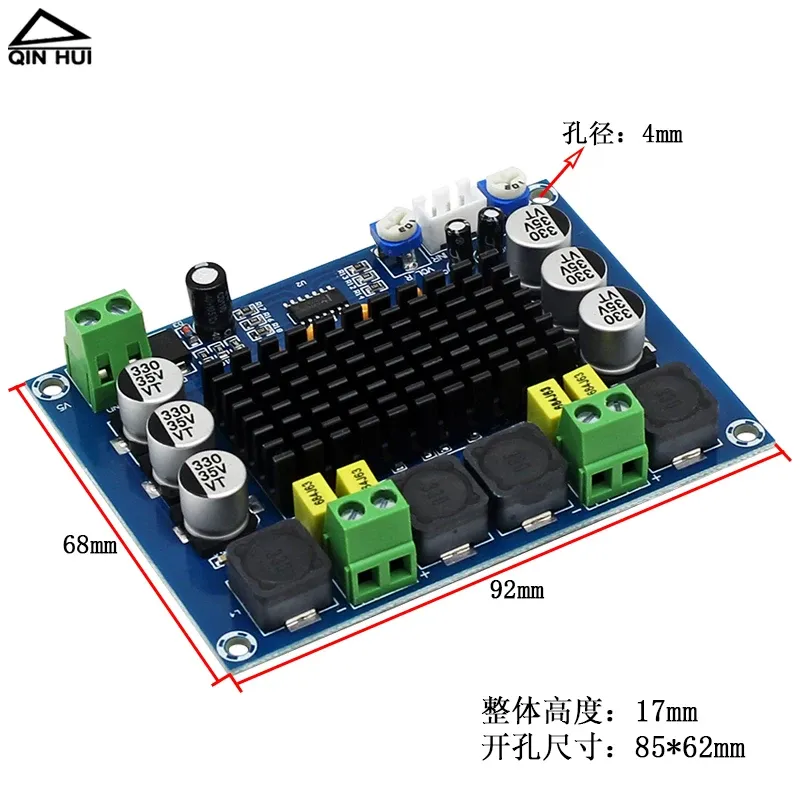
| Dimensions | 92×69×18mm, mounting hole spacing 85×62mm, hole diameter 4mm |
| Net Weight | 70g |
Interfaces and Wiring Instructions
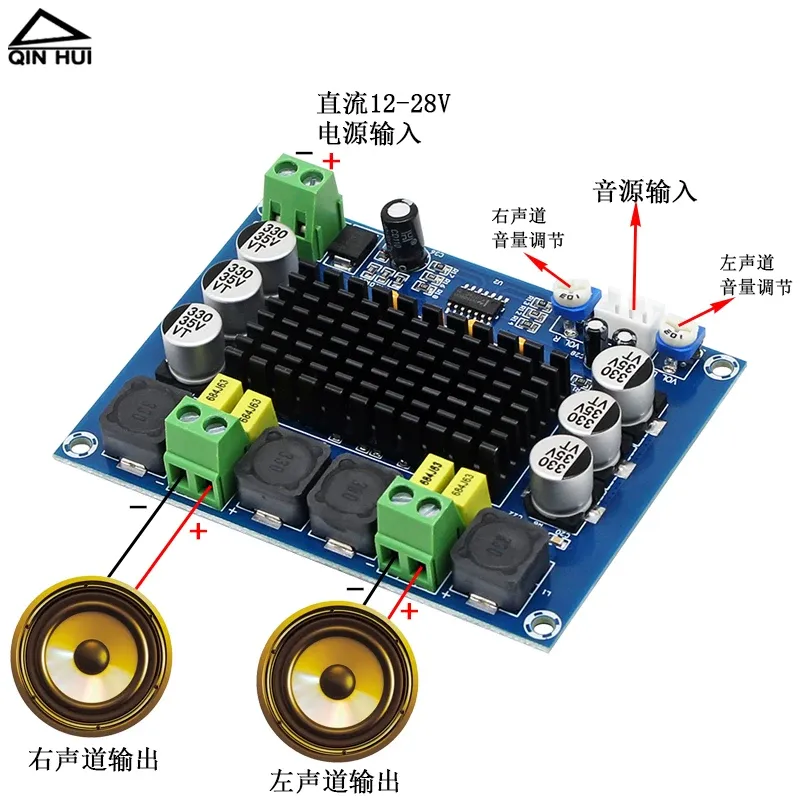
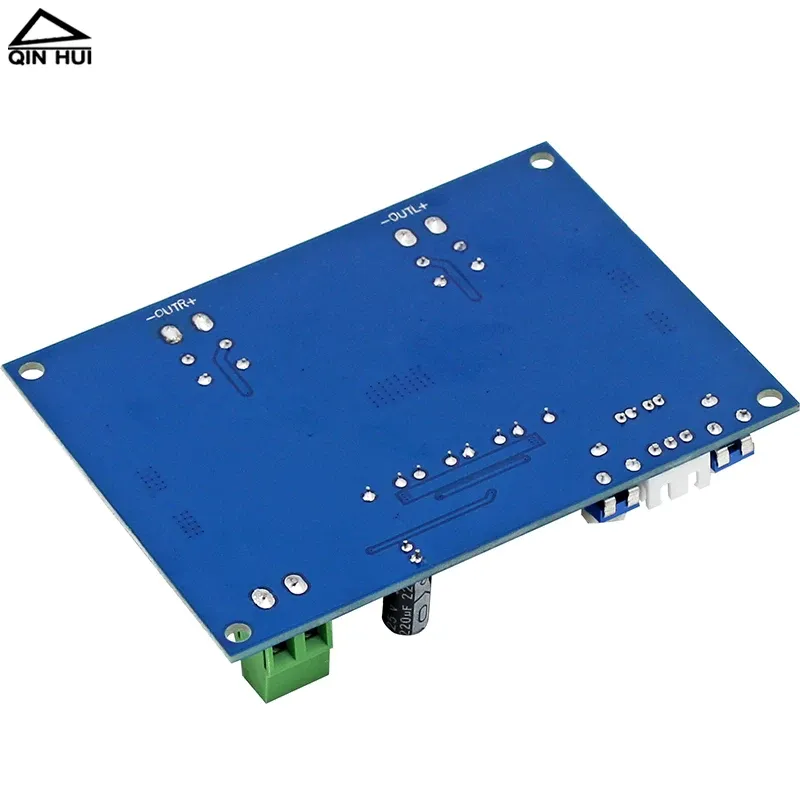
The board side features, in order: DC 12-28V power input, left channel output, right channel output, and audio input, plus a mute control solder point. For wireless mode, simply connect via your phone's Bluetooth to play. When connecting speakers, make sure left and right channels are matched correctly to avoid phase inversion.
FAQ
Q: Is 2120W the real power?
A: 2120W is a model marketing figure (2×120W peak). Actual rated output depends on supply voltage and speaker impedance; at 24V/4Ω it's approximately 2×50-60W steady-state.
Q: What if Bluetooth won't connect?
A: First confirm power supply is normal and move away from strong interference sources. Pair with the Bluetooth name found on your phone. If it's not found, check the Bluetooth IC power solder points on the board.
Q: Can I use a switching power supply?
A: Yes, a 24V 5A or higher switching power supply is recommended. The more power headroom, the more stable it is at high volume.